You have just picked up the keys to your new car. The paint is immaculate, every panel still has that showroom glow, and there isn't a mark on it anywhere. Whether you collected it from Al Tayer Motors, AGMC, Gargash, or Al Nabooda, there is one crucial decision still hanging over you: protect it with Paint Protection Film (PPF) right away, or hold off for a few weeks?
In Dubai, that timing question actually matters. Between highway grit, blowing sand, constant dust, and regular washing, unprotected paint doesn't stay pristine for long. And here's the uncomfortable truth—your first stone chip doesn't care how old the car is. It can happen on the drive home. At Oscar Legacy Auto Services, we break down the facts behind day-one installation, debunk the factory paint curing myth, and outline how to preserve your vehicle's untouched showroom finish.
1. Why Day-One Installation Makes Sense
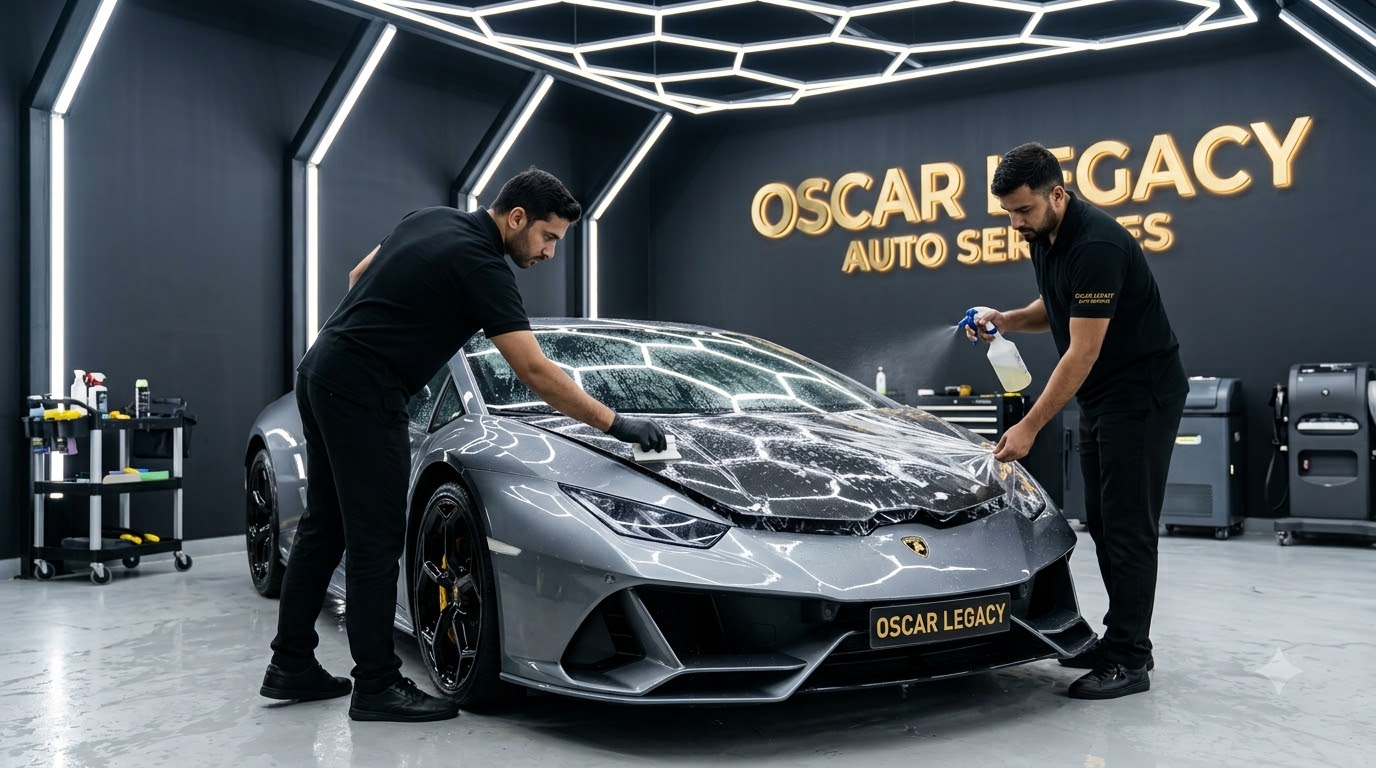
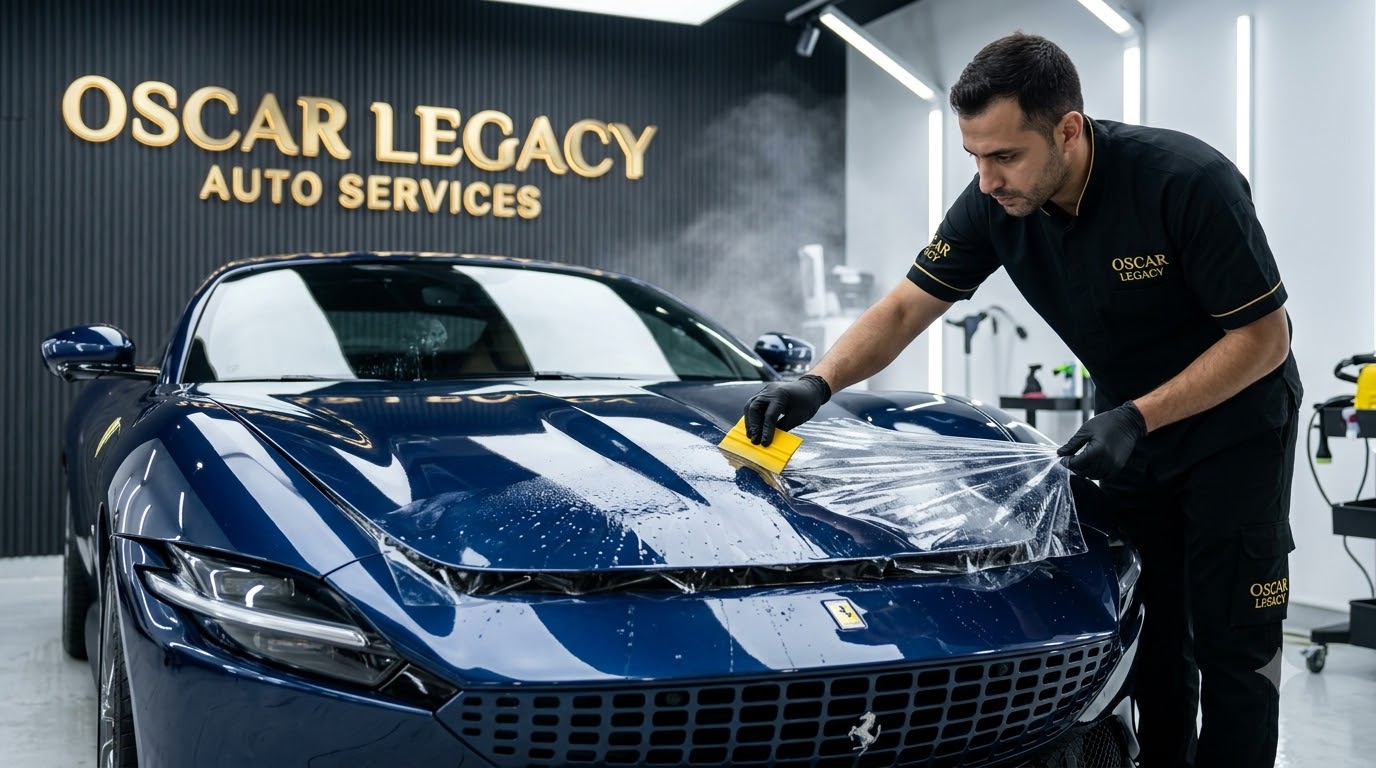
PPF is essentially a clear, physical shield applied directly over your paintwork. Good-quality film is built to take the hit from stone chips, light scratches, and general road grime—something wax or ceramic coating simply isn't designed to do on its own.
Picture a new BMW, Mercedes, Porsche, Range Rover, or Audi rolling out of the showroom. Even one short trip down a major Dubai highway can expose the bonnet, bumper, and mirrors to flying debris. Get the film on from day one, and those panels are covered before they've ever been at risk—not after they've already taken a hit.
2. Does New Paint Actually Need 60 Days to "Cure"?
There's a persistent myth floating around automotive forums that factory clear coat stays soft and vulnerable for the first two months after delivery, meaning film cannot be applied immediately. That's not really accurate for original factory paint.
Car manufacturers bake and cure paint under tightly controlled high-temperature oven conditions on the production line. By the time your car reaches you, that paint is already fully cured—which means a professional PPF installer can typically apply film right away, no waiting period required.
Where it does get more nuanced is with repainted panels. If your car had any bodywork or touch-up done by the dealership before handover, those specific repaired areas might genuinely need time to settle—some film makers suggest waiting around 30 days, depending on the paint system used.
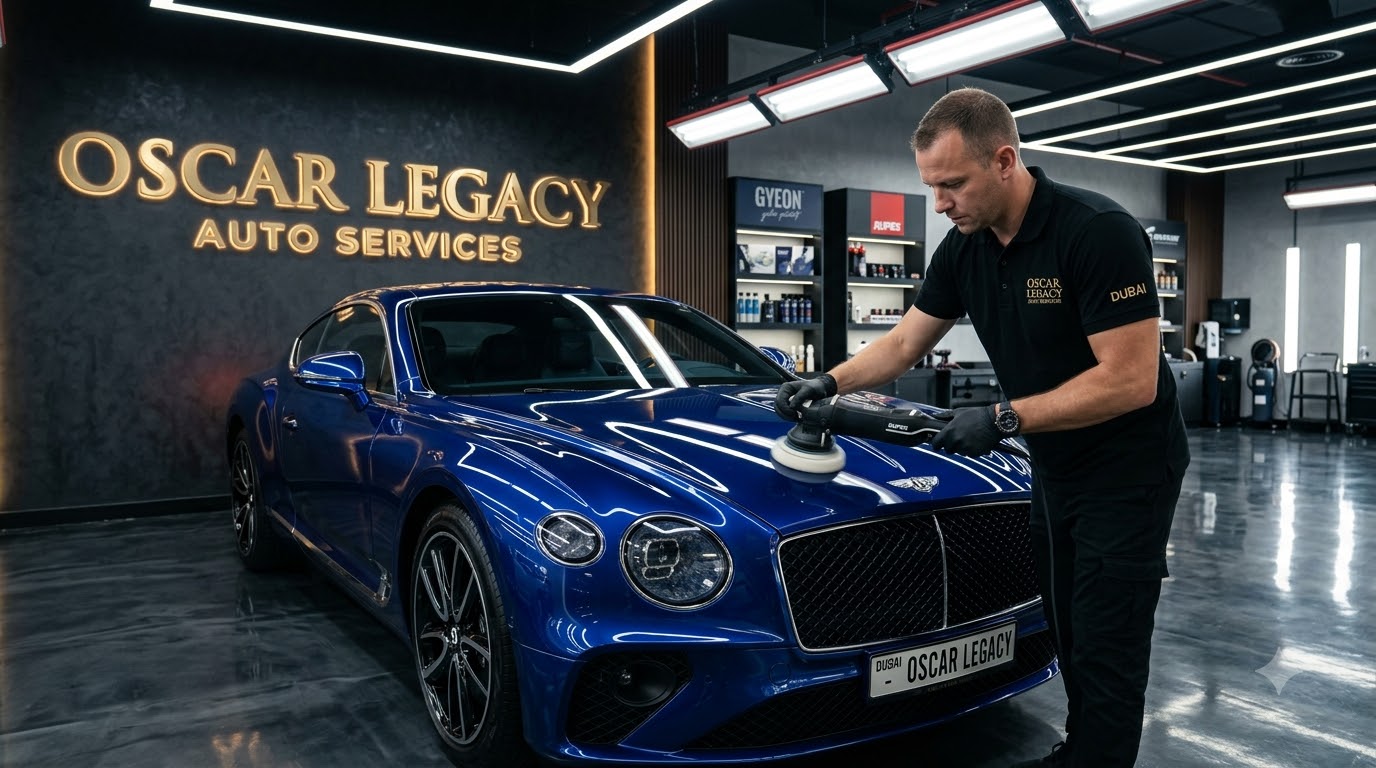
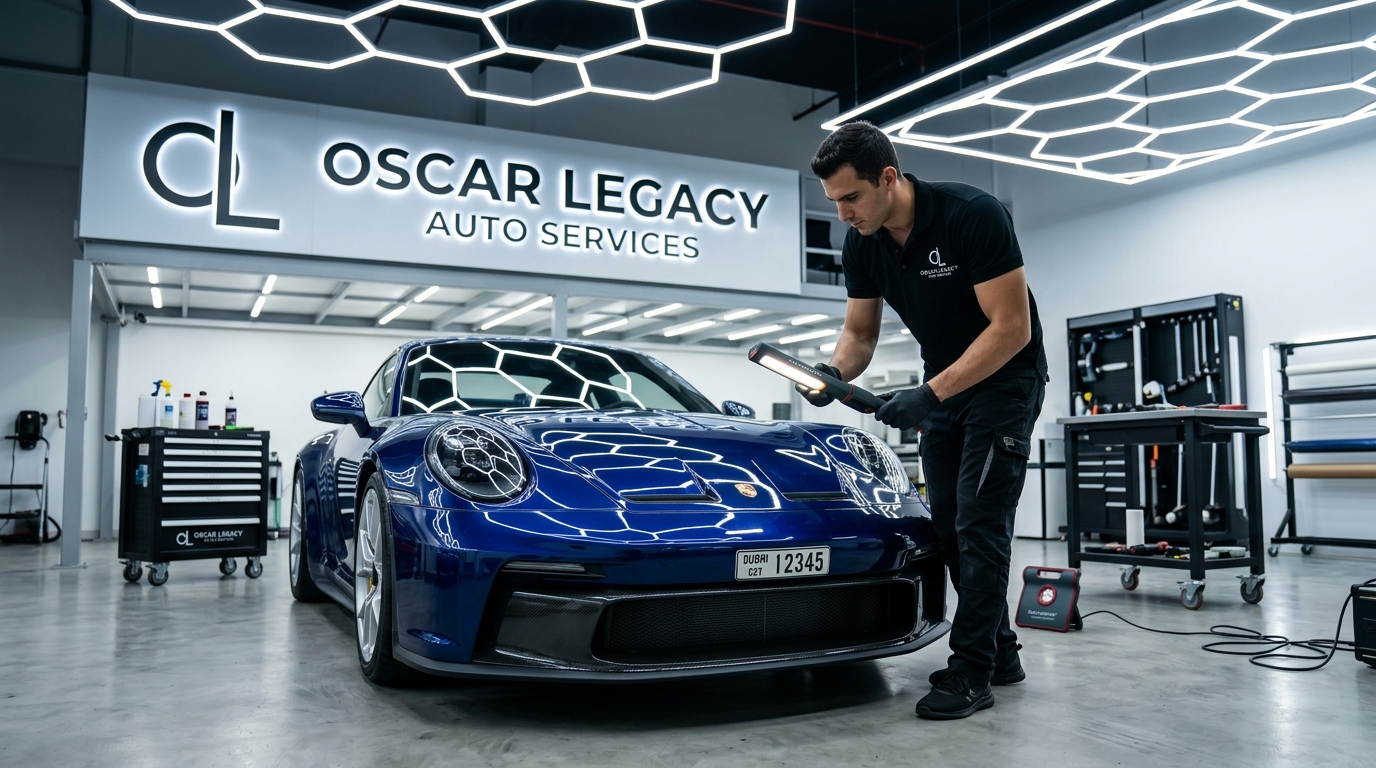
So the real argument for protecting your car early isn't about soft paint. It's about locking in the original finish before daily driving, car washes, and Dubai's environment start leaving their mark. Worth noting too—even brand-new cars can pick up faint swirl marks or contamination just from transport and dealership prep, which is exactly why a proper paint inspection should happen before any film goes on.
Oscar Legacy Studio Diagnostic: Showroom Delivery Standards
Certified Cleanroom Parameter Standards for Brand-New Luxury Vehicles
3. What Happens If You Wait? Your First Chip Could Come Fast
Picture this: you collect your new SUV on a Friday, and by Saturday morning you're cruising down Sheikh Zayed Road. A stone kicked up by another car hits your bumper. Now you've got a visible chip on a two-day-old car.
There's no fixed 48-hour countdown to disaster—plenty of cars go months without a scratch, while others get hit on their very first outing. The point is simply that the risk starts the moment you drive off the lot.
And once paint is actually chipped, film won't undo it. You're now looking at touch-up work or possibly a repaint before PPF can even go on. The longer you wait, the more chance there is of swirl marks, water spots, and general grime building up too—all of which may need correcting first, adding time and cost to the job. If keeping the factory paint untouched matters to you, preventing damage beats fixing it afterward, every time.
4. Installing Early vs. Installing Later — Side by Side
Both routes protect the car eventually—the difference is simply how long your paint sits exposed in between:
| Evaluation Criteria | Install on Day 1 | Install Weeks / Months Later |
|---|---|---|
| Paint Condition | ✓ Factory-Fresh Close to untouched | ⚠ Exposed May have chips, swirls or etching |
| Stone-Chip Protection | ✓ Active From mile zero | ✗ Inactive Zero protection until installed |
| Prep Needed | Basic decontamination inspection & light clean | Often requires multi-stage machine paint correction |
| Original Finish Integrity | Best chance of staying 100% untouched | Existing road damage remains trapped under film |
| Convenience | Can align seamlessly with delivery date | Requires scheduling a separate studio appointment |
| Cost Timing | Paid upfront as a protective investment | Deferred expense, but damage risk grows daily |
5. The Case for Doing It on Day One
Installing high-grade TPU film immediately provides five distinct advantages for luxury car owners:
- It locks in the factory finish: Original paint holds its value and appearance better when it's shielded before any damage occurs, which can mean fewer touch-ups down the line.
- It covers you against Dubai's roads: The bonnet, bumper, mirrors, and front wings take the brunt of highway debris—film gives them a sacrificial layer to absorb impacts instead of your paint.
- It keeps that showroom look intact: Quality glossy film preserves paint depth, and premium aliphatic TPU films self-heal light surface swirls when warmed by Dubai sunlight.
- It cuts down future correction work: A car protected early tends to pick up fewer defects underneath the film—though routine maintenance is still needed.
- It helps at resale: Pre-owned luxury car buyers scrutinize paint condition closely. Flawless original paint is a proven asset during trade-in appraisals.
6. The Case for Waiting (or at Least Things to Consider)
While early protection offers significant benefits, owners should weigh practical considerations:
- It's a real upfront cost: Right after purchasing the vehicle, full-body PPF represents a substantial investment. Targeted front packages provide budget flexibility.
- Installation quality really matters: A rushed job can cause visible seams, trapped dust, lifted edges, or blade cut marks. Choosing a certified studio is critical.
- Your car sits in the studio for a few days: Full-body installation requires precision edge wrapping, taking 3 to 5 days, which means postponing initial driving.
- It's not bulletproof: Film protects against stone chips and sand abrasion; it cannot prevent heavy collision body dents or punctured panels.
- It still needs proper upkeep: PPF requires correct two-bucket washing, pH-neutral shampoo, and periodic edge inspections to avoid buildup.
7. Front-End Only, or the Whole Car?
Not every car requires complete bumper-to-bumper film coverage:
Front-End Packages: Ideal if your primary concern is high-speed highway debris along Sheikh Zayed Road or Al Khail Road. This package covers the front bumper, full bonnet, front fenders, side mirrors, and headlights.
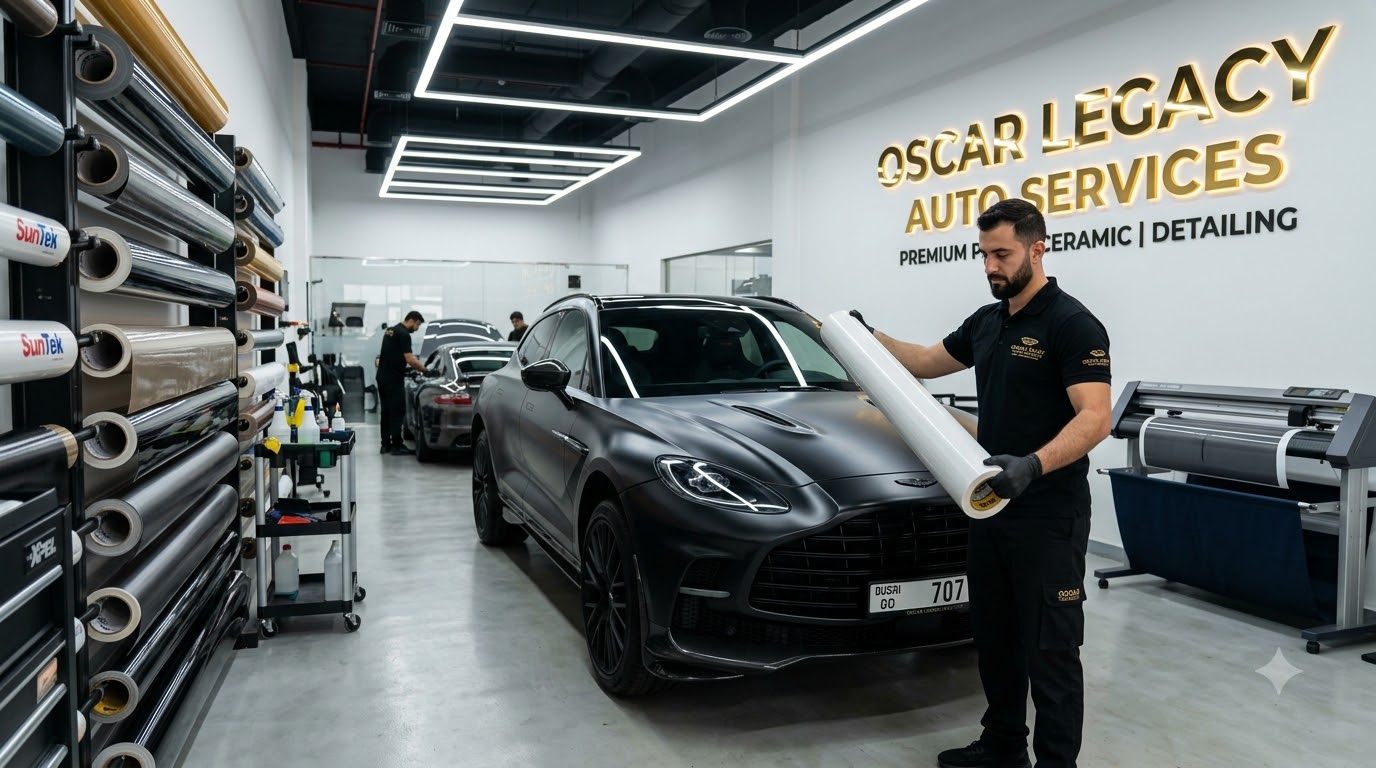
Full-Body Coverage: Recommended for supercars, exotics, high-value luxury SUVs, or vehicles with factory satin or matte paint finishes where repainting cannot match original texture. It shields all painted panels from parking door dings, luggage scuffs, and dust abrasion.
8. The Smarter Route: Flatbed Straight From Dealership to Installer
For owners seeking absolute paint preservation, there is a proven method to avoid all exposure: transporting the vehicle directly via flatbed recovery truck before delivery miles are accumulated.
Coordinate Prior to Collection
Inform your PPF studio once collection dates are set to secure bay booking and verify whether dealer prep waxes need removal.
Book Insured Flatbed Transport
Arrange an enclosed recovery carrier from the showroom directly to the studio, documenting vehicle handover condition.
Indoor Studio Inspection
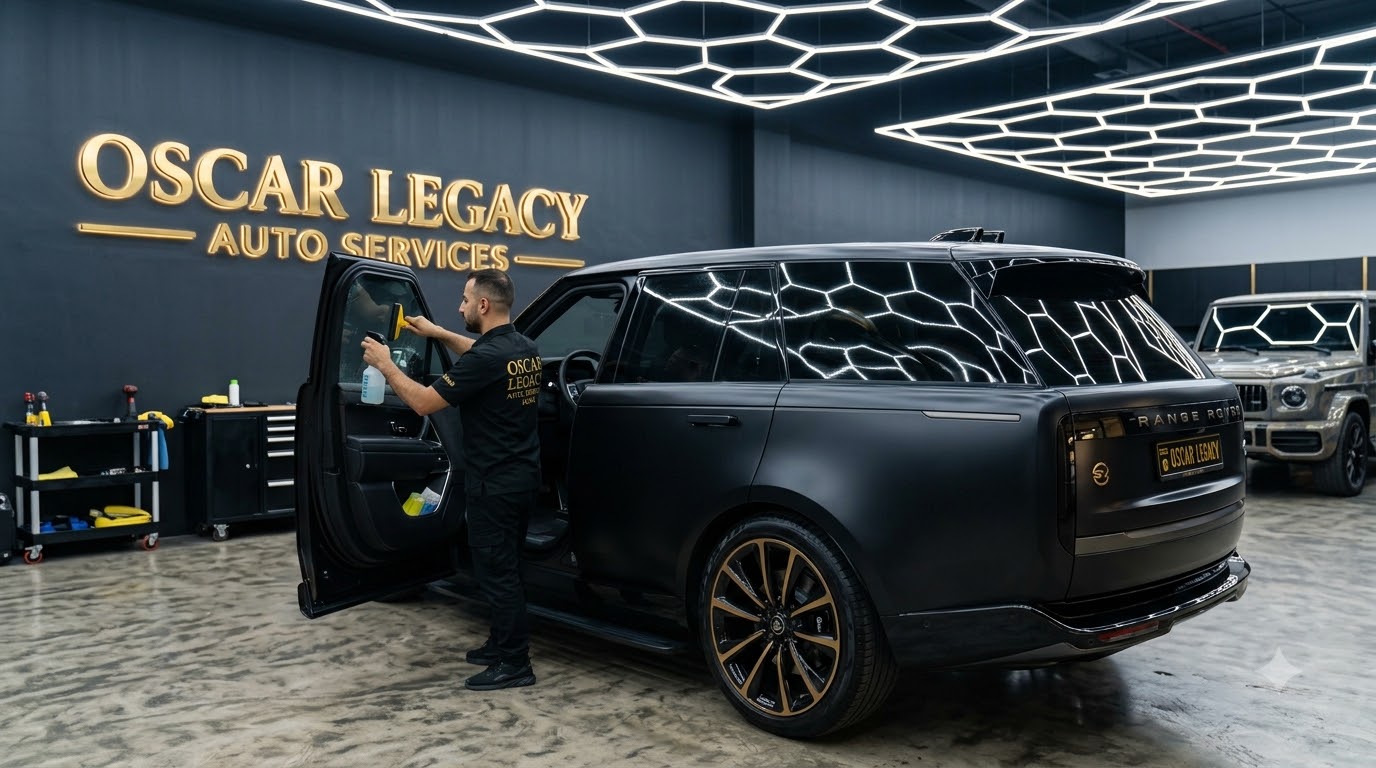
Under high-CRI cleanroom detailing lighting, technicians examine clear coat depth and verify panel uniformity.
Decontamination & Precision Install
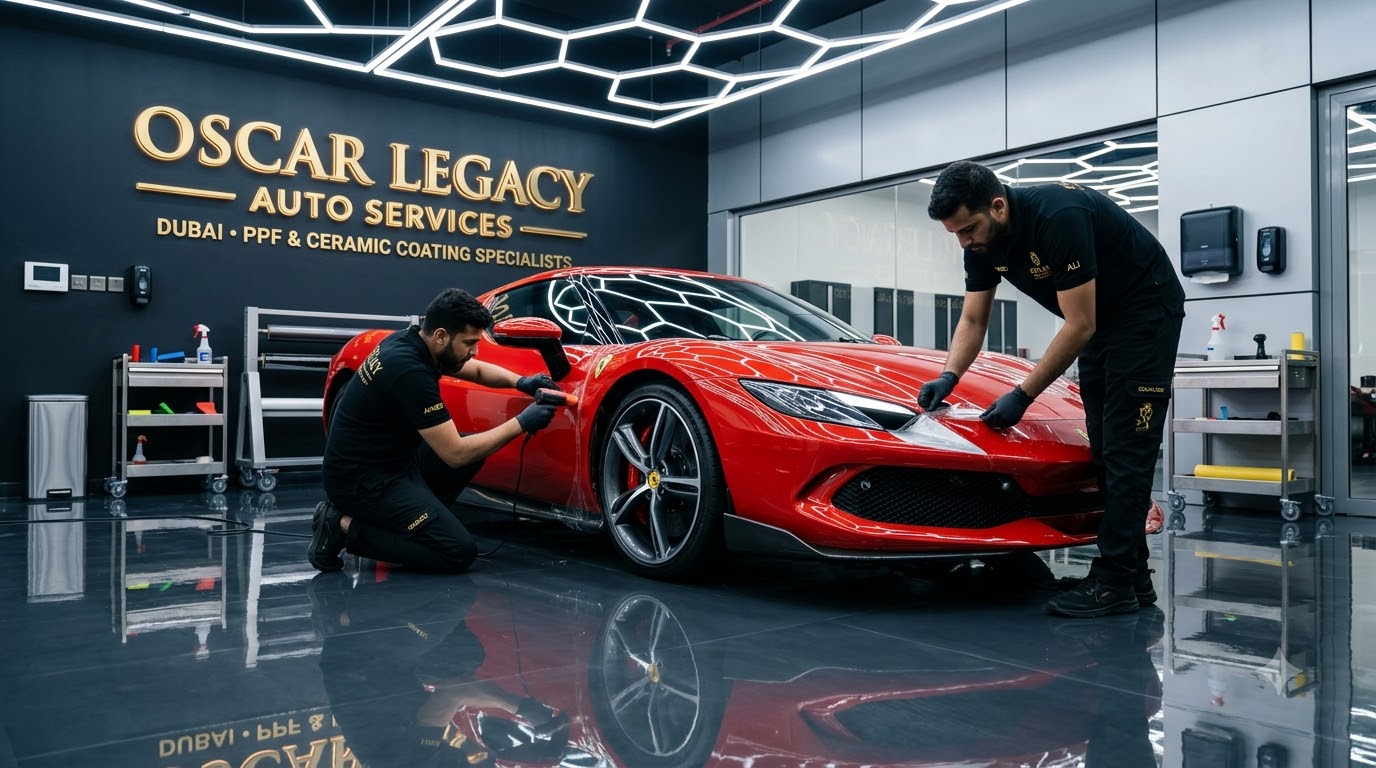
Panels undergo pH-neutral wash and clay decontamination. Computer-cut vehicle-specific patterns are applied without exposed razor blades.
Curing & Edge Inspection
Edges are heat-tacked in a climate-controlled bay, moisture pockets cleared, and post-installation curing protocols documented.
9. Isn't Factory Clear Coat Already Protection Enough?
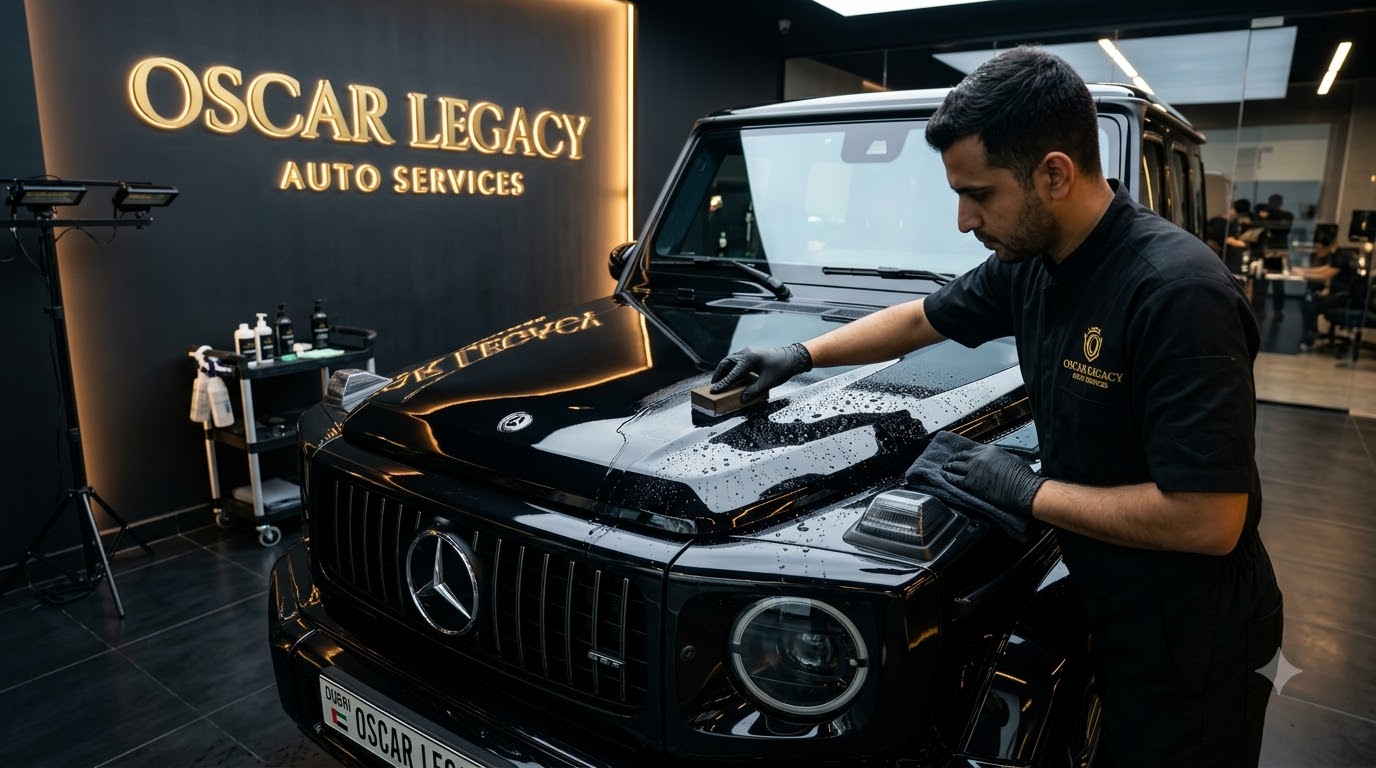
Factory clear coat provides color depth, gloss, and baseline UV resistance—but clear coat measures only 35 to 50 microns in thickness. It is not engineered to withstand flying gravel impacts traveling at 120 km/h. Furthermore, dealer "paint protection" bundles frequently involve waxes or ceramic coatings, which repel water but offer zero impact resistance against physical rock chips. PPF remains the only genuine sacrificial barrier.
10. Is It Actually Worth It for a New Luxury Car?
It comes down to how much preserving original factory paint matters to you. If you own a high-value vehicle driven regularly on UAE motorways, PPF is a sound investment that prevents permanent paint damage. If budget or ownership timeline is limited, a front-end package offers balanced protection. In all scenarios, installer craftsmanship and cleanroom standards matter far more than chasing the lowest quote.
Taking Delivery of a New Luxury Car in Dubai?
Arrange seamless insured dealership flatbed pickup directly to the Oscar Legacy cleanroom studio. Lock in your untouched factory finish from mile zero.
11. Frequently Asked Questions
Should I get PPF on my car right away?
If you're doing it at all, sooner is better—it shortens the window your paint is exposed and unprotected to road debris and flying sand.
Can PPF go on a totally new car without waiting?
Yes, in most cases. Original factory paint is already cured by delivery. Just flag any dealership repairs to your installer first, since those panels might need more time.
Is it too late after 60 days?
Not at all. PPF can go on a car of any age—it just needs an inspection first, and any existing chips may need fixing before the film goes on.
Will PPF harm the factory paint?
Good film, properly installed and removed, shouldn't damage sound factory paint. Problems usually trace back to poor installation, bad removal technique, or paint that had issues already.
Does it void my warranty?
No, not your whole warranty. But damage caused specifically by aftermarket work could fall outside coverage for that area. Worth confirming directly with your dealership.
Will it stop every scratch and chip?
No—it handles the common stuff well, but a hard enough impact can still get through to the panel underneath.
12. Bottom Line
A new luxury car is a serious investment, and keeping that original paint intact from day one goes a long way toward protecting it. You don't need to sit around for 30 or 60 days waiting for "paint to cure"—for factory paint, that wait isn't really necessary. If anything, delaying just means more days of unprotected exposure to Dubai's roads and dust.
If preserving that factory finish is the priority, the smartest move is lining up your PPF installer before you even collect the car, getting a proper inspection done, and having the work completed at a professional, dust-controlled facility like Oscar Legacy Auto Services—ideally with insured flatbed transport straight from the dealership to the studio. The best time to protect your paint isn't after the first scratch. It's before it.